A used RTX 3090 for $600 delivers 24GB of VRAM — the same capacity as a new RTX 4090 at $2,200. That value proposition is why the secondhand GPU market is flooded with AI buyers right now. But buying used means accepting risk, and a dead GPU has zero value regardless of how cheap it was.
This is the checklist I’d run through before handing over cash for any used GPU intended for AI work.
The short version: Verify the card is genuine with GPU-Z, stress test it for 15+ minutes, check VRAM integrity, inspect for physical damage, and buy from platforms with buyer protection. Mining history isn’t automatically bad — sloppy maintenance is.
NVIDIA GeForce RTX 3090
24GB GDDR6X24GB GDDR6X at ~$820 used — the best VRAM-per-dollar in the secondhand market for AI workloads.
Affiliate links — we may earn a commission at no extra cost to you. Amazon ships globally; Shopee SG covers Singapore & ASEAN.
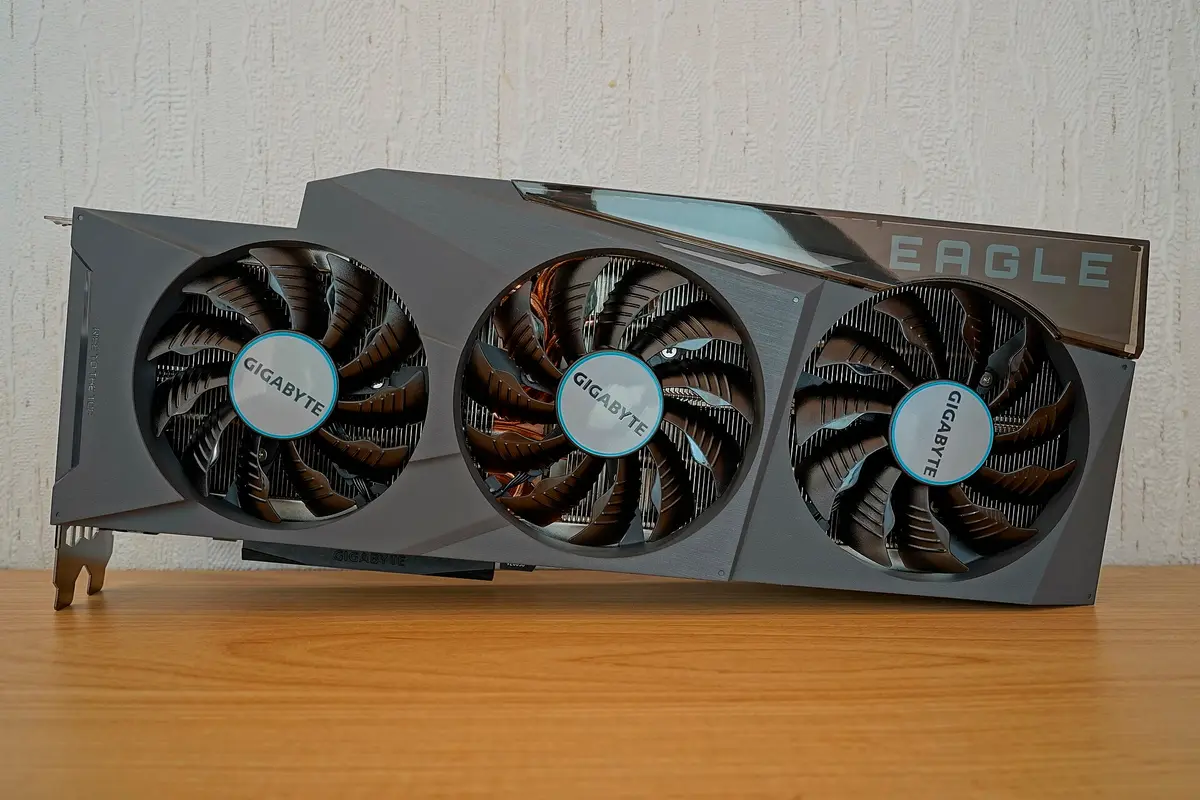
The 7-point inspection checklist
1. Verify the GPU is real (GPU-Z)
Before anything else, install GPU-Z and confirm the card reports the correct model, VRAM amount, and bus width. Counterfeit GPUs exist — typically older cards flashed with fake BIOS to appear as higher-end models. A real RTX 3090 shows 24GB GDDR6X on a 384-bit bus. If anything looks wrong, walk away.
2. Run a stress test (FurMark or Unigine)
Run FurMark or Unigine Superposition at maximum settings for at least 15 minutes. Watch for:
- Visual artifacts (flickering, colored pixels, geometric glitches) — indicates dying VRAM or GPU core damage
- Driver crashes or black screens — power delivery or core instability
- Temperature above 90C — possible thermal paste degradation or broken fans
A healthy GPU should complete a 15-minute stress run without any of these symptoms.
3. Test VRAM integrity (memtest_vulkan)
This is the step most buyers skip, and it’s the most important for AI use. AI workloads use far more VRAM than gaming — a card with partially failed VRAM modules can game fine but crash during training or inference.
Run memtest_vulkan for a full pass. Any errors mean the VRAM has failing cells. Do not buy.
4. Check physical condition
| Check | What to look for | Severity |
|---|---|---|
| PCB warping/sagging | Visible bend in the circuit board | High — indicates prolonged heat stress |
| Corrosion on contacts | Green/white residue on PCIe fingers | High — possible liquid damage |
| Fan bearing noise | Grinding or clicking at low RPM | Medium — fans are replaceable but add cost |
| Thermal pad replacement | Sloppy or misaligned pads visible through heatsink | Medium — suggests overheating history |
| Capacitor damage | Bulging or leaking caps on the PCB | Critical — do not buy |
5. Run an actual AI workload
If possible, run a real AI task — generate some images in ComfyUI, run an Ollama model, or kick off a short training run. Synthetic benchmarks catch hardware faults, but AI workloads stress the card differently (sustained VRAM utilization, specific compute patterns). Ten minutes of Stable Diffusion generation is a better AI-readiness test than an hour of FurMark.
6. Check clock speeds under load
Use GPU-Z or HWiNFO64 to monitor clock speeds during the stress test. A healthy card should maintain its rated boost clock (or close to it) without thermal throttling. If clock speeds drop significantly within the first few minutes, the cooling system has problems.
7. Verify the seller’s claims
If the seller says “never mined on” — take it with a grain of salt. Mining cards aren’t inherently bad. Cryptocurrency mining holds GPUs at a steady, moderate load — often undervolted for efficiency. This is actually gentler on the silicon than gaming, which repeatedly thermal-cycles the GPU between hot and cold. The real risk factor is maintenance quality, not mining history.
Where to buy used GPUs
Best platforms ranked by buyer protection:
- eBay — strongest buyer protection. If the card is defective, you get your money back. Slightly higher prices reflect this safety net.
- Amazon Renewed — certified refurbished with return window. Limited selection but low risk.
- r/hardwareswap — lower prices, PayPal Goods and Services provides some protection. Verify seller reputation via trade history.
- Facebook Marketplace / local — lowest prices but zero protection. Only buy local if you can test the card in person before paying.
Best used GPUs for AI in 2026
| GPU | Used Price | VRAM | Best For | Risk Level |
|---|---|---|---|---|
| RTX 3090 | ~$820 | 24GB | Training, large model inference | Low — abundant supply |
| RTX 3060 12GB | ~$250 | 12GB | Budget inference, SD 1.5 | Low — very common |
| RTX 4090 | ~$1,300 | 24GB | Everything | Low — newer cards, less wear |
| RTX 3080 10GB | ~$250 | 10GB | Light inference | Medium — 10GB is limiting |
The RTX 3090 remains the standout used buy for AI. 24GB VRAM at ~$820 is unmatched. For a full breakdown, see the best used GPU for AI guide and the RTX 3090 vs 4090 comparison.
NVIDIA GeForce RTX 3060 12GB
12GB GDDR612GB GDDR6 at ~$250 used — handles Stable Diffusion 1.5 and small LLM inference at an unbeatable price.
Affiliate links — we may earn a commission at no extra cost to you. Amazon ships globally; Shopee SG covers Singapore & ASEAN.
Red flags that should kill the deal
- Seller refuses to show the card running a benchmark or provide GPU-Z screenshots
- Price significantly below market rate with no explanation
- Card ships from a country known for counterfeit electronics with no return policy
- Thermal pads visibly replaced with generic material and poor application
- Multiple listing photos clearly taken from different cards
For budget alternatives to used hardware, check the best budget GPU for AI guide or consider whether your usage is intermittent enough for cloud GPUs.
NVIDIA GeForce RTX 4090
24GB GDDR6XIf the used market feels too risky, a new RTX 4090 at $2,200 gives you 24GB with full warranty and zero uncertainty.
Affiliate links — we may earn a commission at no extra cost to you. Amazon ships globally; Shopee SG covers Singapore & ASEAN.
A $820 used RTX 3090 is the best value in AI hardware — but only if you verify it works before you pay. Follow the checklist. Every step exists because someone got burned skipping it.